Sex in the White Cube
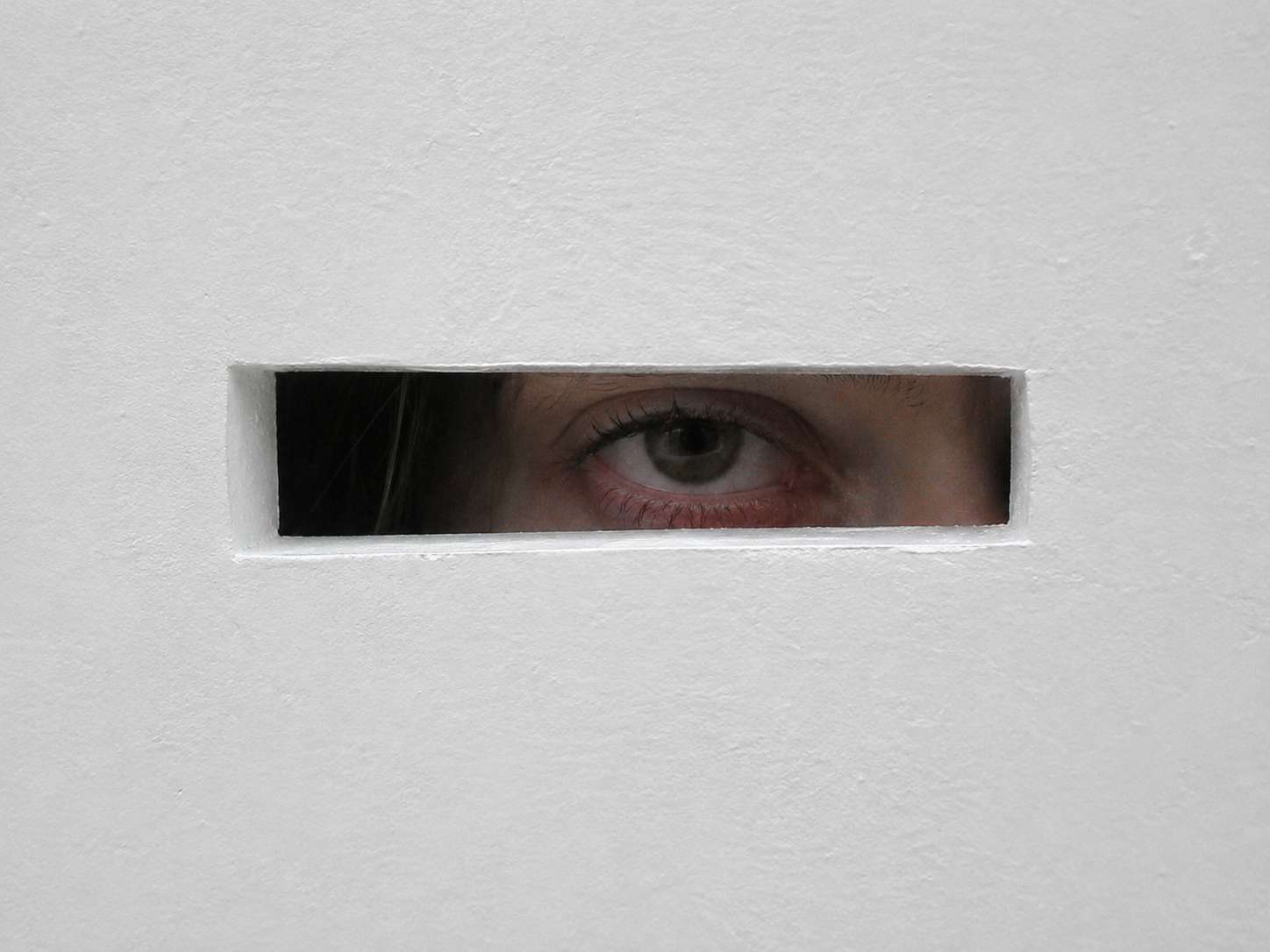
From Carolee Schneemann’s experimental film to Shu Lea Cheang’s early web art, six works ask who sets the terms when sexual acts, desires and identities enter public view.
Independent journal
of contemporary art
From Carolee Schneemann’s experimental film to Shu Lea Cheang’s early web art, six works ask who sets the terms when sexual acts, desires and identities enter public view.
Is beauty in the landscape or in the way we have learned to look? A railing at a former quarry opens onto the histories, images and forms of care that shape our experience of nature.
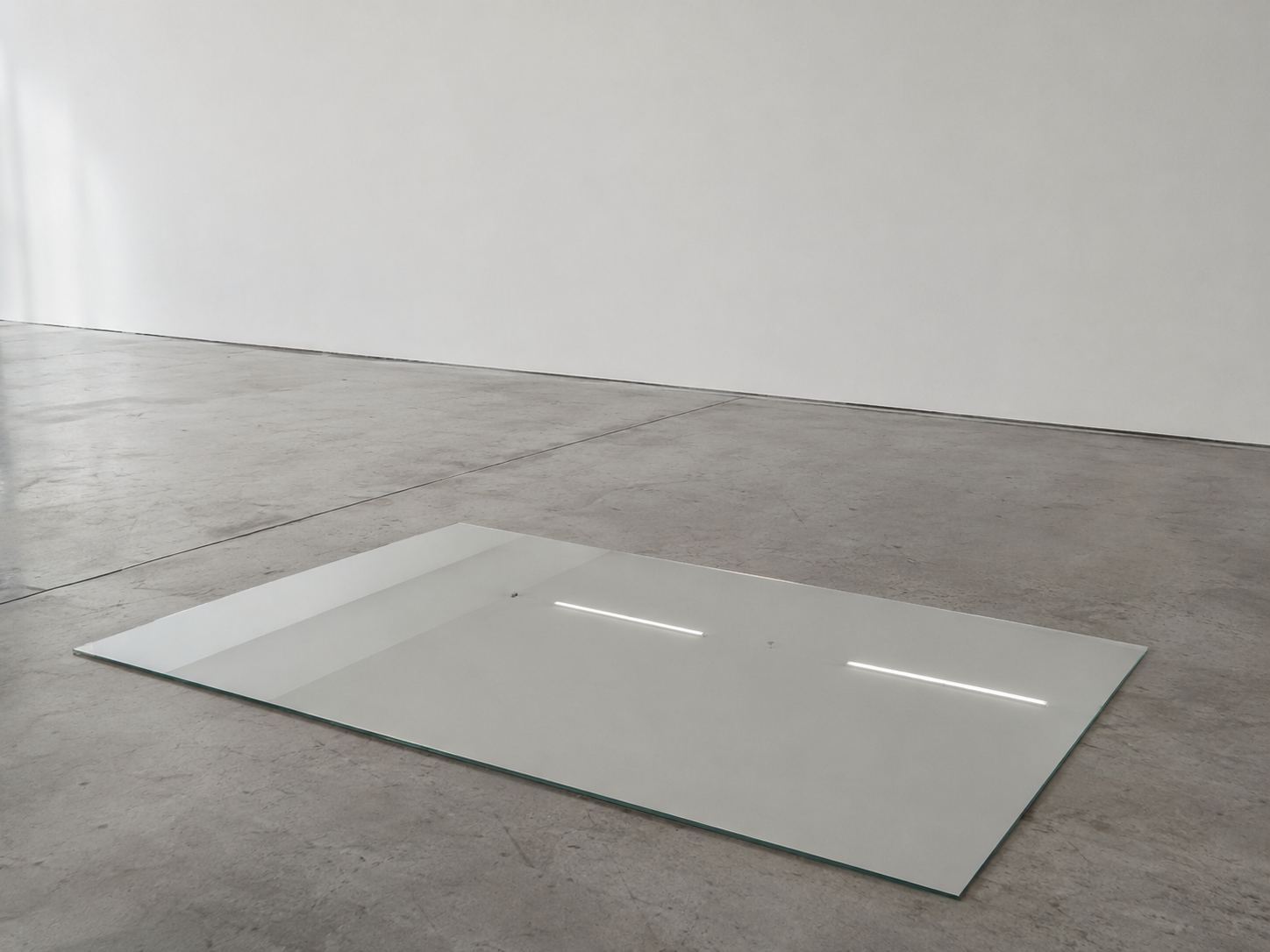
In Robert Barry’s work, a step sideways can bring a word into view and take your own face out of it. His mirrors and windows make reading a matter of where you stand and who else is there.
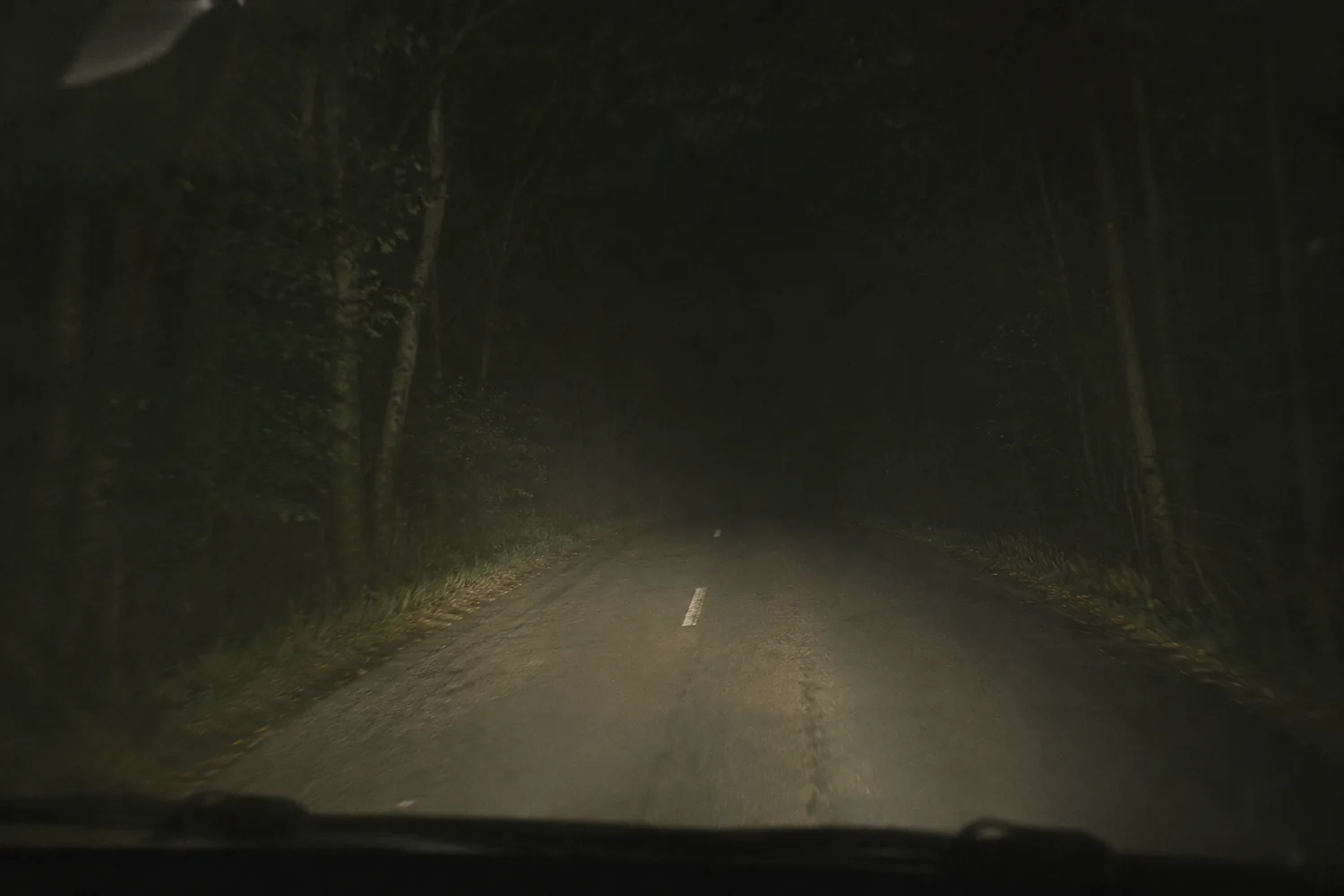
In Alexander Ullom’s It Ends, four friends drive along a road without an arrival. Works by Mieko Shiomi, David Lamelas, Laura Grisi and others ask what a journey, a gesture or a life can amount to when its ending explains so little.
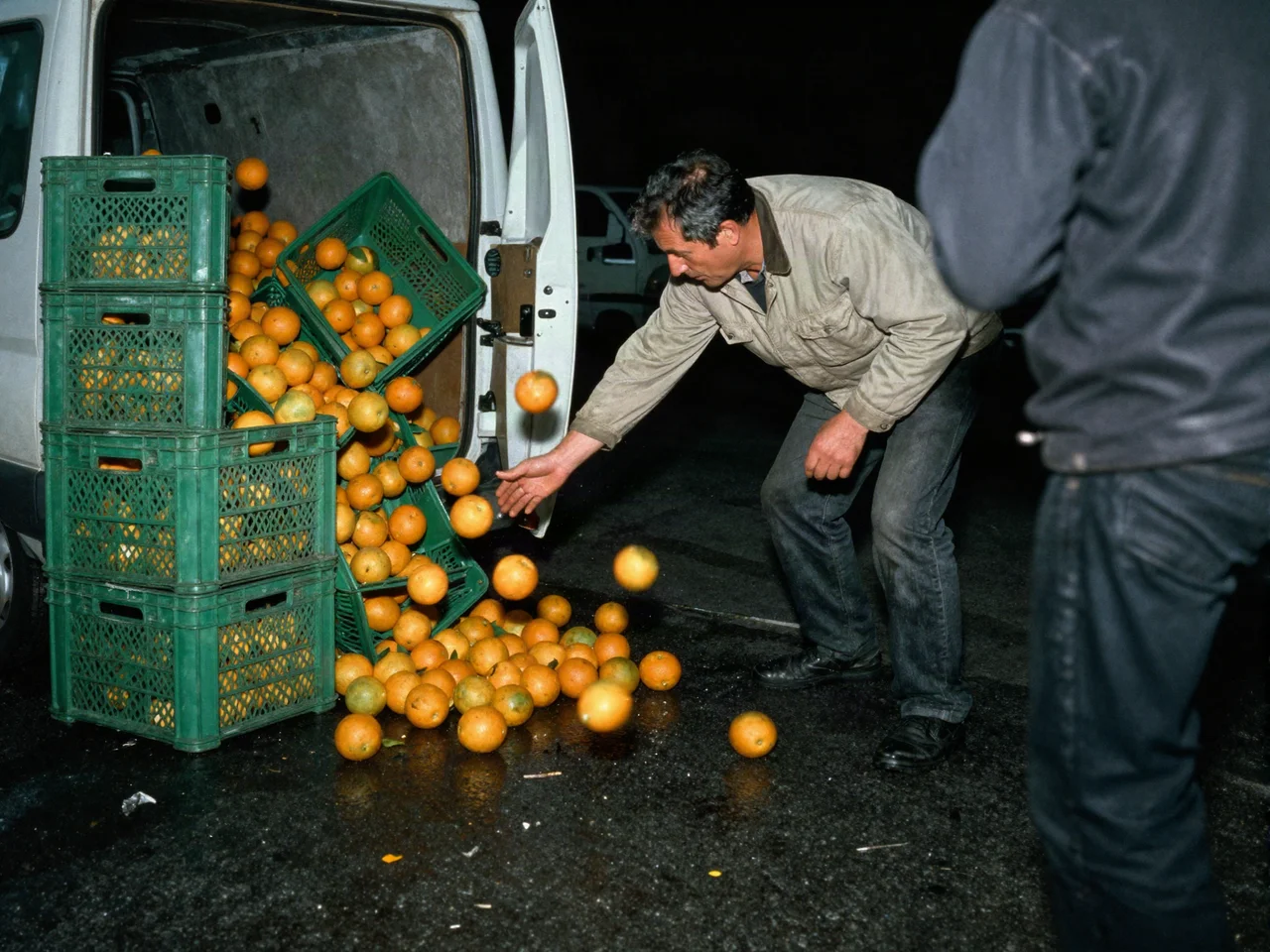
A spill of oranges opens a question about how everyday things come to take the forms they do, who gets to look at those forms, and who has to put things back.
At the Maison Ozenfant, works by Beatrice Wood and Irène Zurkinden entered a home designed around another painter’s work. The exhibition asks what a gallery borrows when it borrows a famous house, and what its visitors come prepared to see.
Taste feels personal because we experience it as preference. In contemporary art, those preferences take shape through shared encounters, habits of attention and institutions with unequal power to make their judgments count.
Through Richard Tuttle, Mike Kelley and Rosemarie Trockel, this essay asks when technical refusal changes the terms of artistic value—and when imperfection becomes another recognisable finish.
Secrecy, withdrawal and delayed display do not place art outside public life; they reorganise the moment, evidence and authority through which an audience is allowed to exist.
A catalogue entry can determine who becomes searchable and which relationships survive. From the practical limits of access to Walid Raad’s fictional archives, this essay examines how art history acquires its evidence—and how that evidence can remain open to revision.
A convincing image of an exhibition can now circulate before anyone has installed the work. What does a gallery, a photograph or an archive actually establish about the room people could enter?
An exhibition invitation reaches an artist after months of work whose outcome was still open. From New York’s public artist-employment projects to today’s exhibition budgets, who pays for the time in which the work can change?
Three works by Robert Rauschenberg, Yoko Ono and Félix González-Torres use subtraction to redistribute the evidence of an image. An erased drawing, a cut garment and a changing pile of sweets ask who can establish what has disappeared, and who can bring it back.
As the Lagos Biennial introduces a permanent collection in a temporary tent, three institutions show what it takes to keep an exhibition available for future publics.
An essay on artists and collectives working across Senegal, Indonesia and Brazil, and on what a biennial can carry from the places that formed their work.
From the New Deal to the pandemic, painting has repeatedly regained ground when the institutions around it were under strain. The return of a medium, the recovery of a market and the price of a canvas tell different histories.
A fair, a museum and the photographs we take away each put the works we have seen in a different order. What makes a second look possible when there is always something else to see?