Cultural Authority, Aesthetic Consensus and the Mechanisms of Artistic Legitimacy
A work appears in a small exhibition. Few people see it. Several years later, a related work enters a museum collection. It acquires a conservation record, a place in a catalogue and a set of references that a curator can cite in the next exhibition. For a visitor encountering the artist for the first time, this history is already part of the encounter. The work has been given time, space and the expectation that close attention will be rewarded. What feels like a private judgment begins in conditions that other people have arranged.
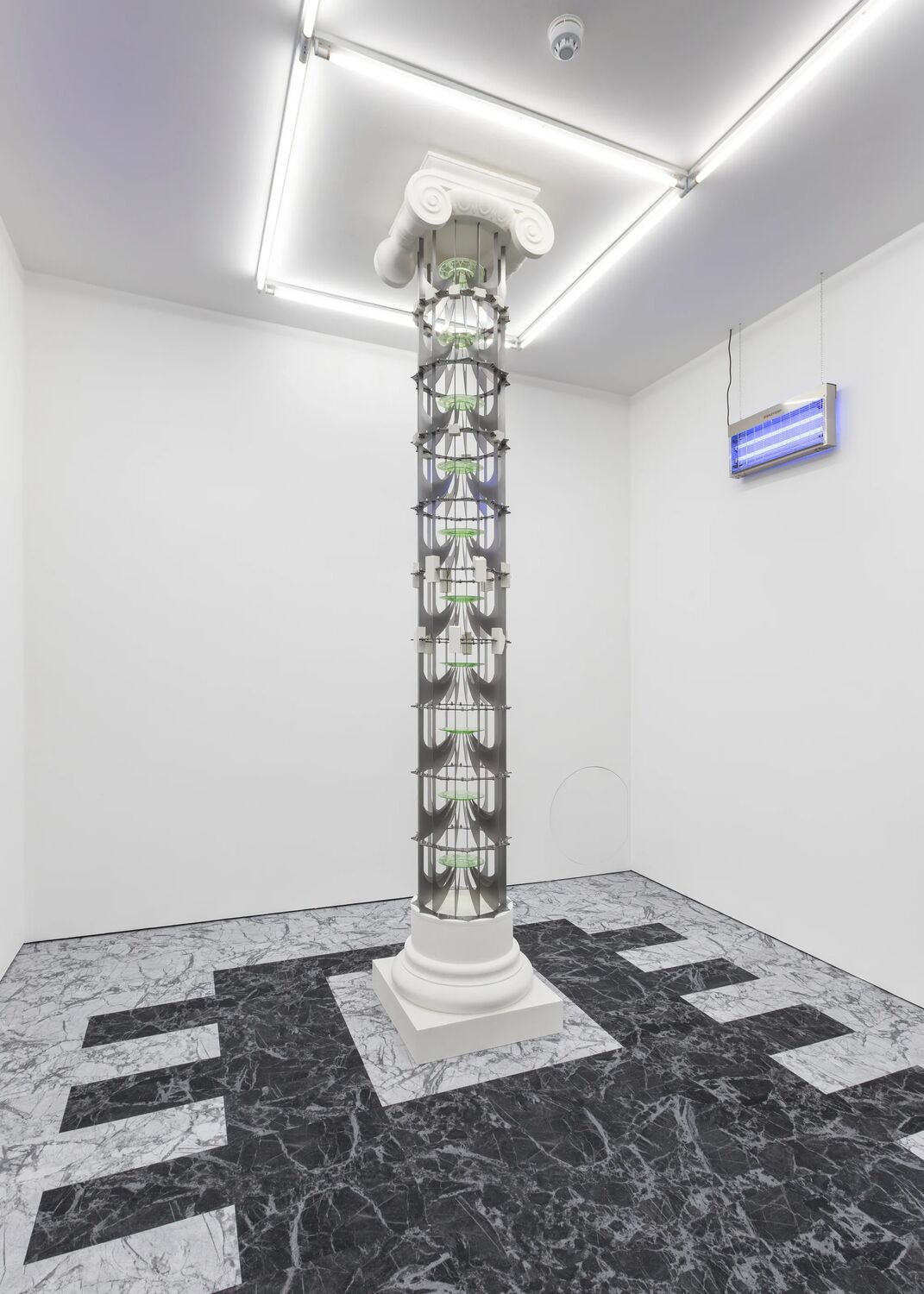
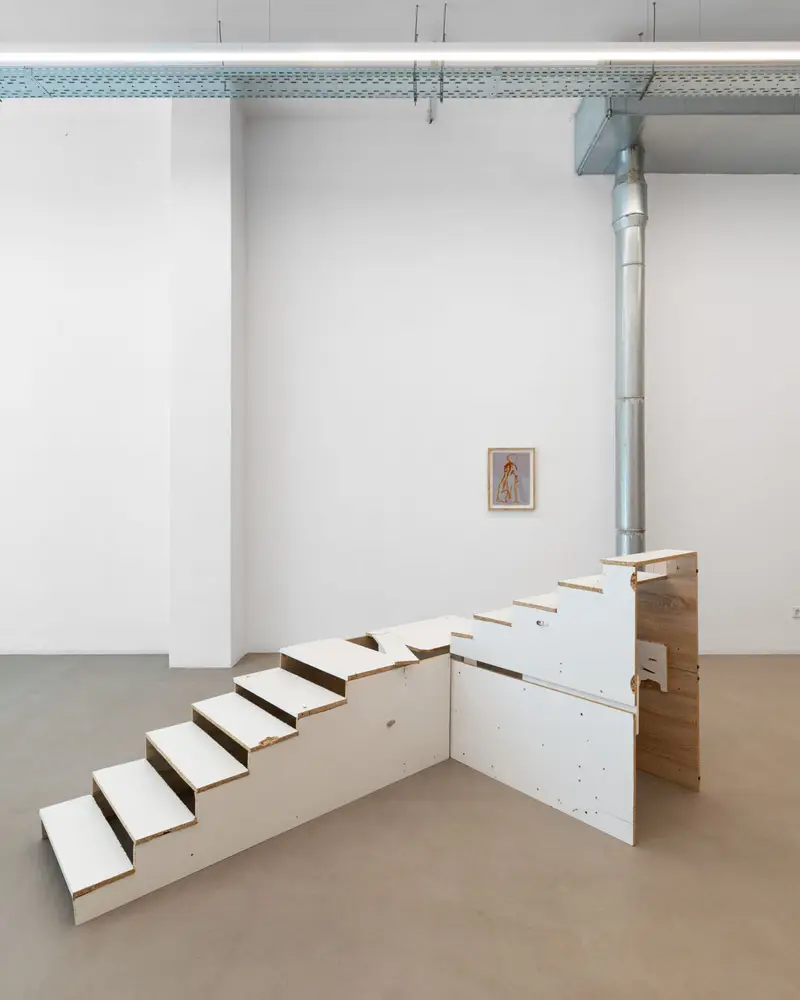
The ordinary language of taste obscures these conditions. We say that a room, an image or a gesture strikes us immediately. The immediacy is real. What takes longer to see is how we acquired the distinctions that make the reaction possible. An unfinished surface may register as a deliberate refusal of polish to someone familiar with the artist’s practice. Another visitor may see an object that has been left unfinished. Both are responding to the same surface. Each brings a different history of encounters to it, and the exhibition can make one interpretation easier to pursue.
For Pierre Bourdieu, the ease with which some people make aesthetic distinctions has a social history. In contemporary art, that ease can take the form of knowing when to wait, when to treat a material choice as significant or when to recognise a reference that a label leaves implicit. These habits can be learned through repeated visits, conversation and looking closely over time. Access includes the chance to return after an encounter that seemed unrewarding. It also includes the freedom to voice a tentative judgment in a room where others already speak with confidence.
Institutions give some of those tentative judgments a longer life. When a curator chooses to show a work, the choice creates a public occasion for others to test it. A critic can examine what the exhibition made visible and what it overlooked. A collection can keep a work available for an argument that may take decades to develop. These are different acts with different consequences. They can also reinforce each other. An invitation leads to a review, the review becomes part of a dossier, and the dossier travels to the next person making a selection. By the time a choice looks self-evident, it may depend on a chain of decisions that were each open to question.
Consensus becomes difficult to assess when several forms of approval draw on the same initial evidence. A curator, a writer and a collector may all endorse an artist whose work genuinely interests them. If each encountered the work through the same programme and talks about it in the same terms, their agreement tells us something about that programme’s reach. A different kind of agreement develops when people encounter the work in different settings and find reasons to attend to it that can withstand disagreement. The distinction matters whenever recognition itself becomes a reason to grant further attention.
Digital circulation adds another layer. A photograph of an exhibition can reach someone who may never enter the gallery. It can also become the version through which everyone else encounters a work. The installation that is intelligible in one view travels easily. A work whose effect depends on duration, scale or the uncertainty of moving through a room is harder to carry across. An editorial choice about which image to publish thereby affects the kinds of work readers become accustomed to recognising. The same applies to what a platform can measure. The speed with which an image attracts a response tells us little about whether anyone will return to it.
The flash in the cover image makes this problem concrete. Several birds are caught in flight, near enough for the wings to flare white. Others remain legible on the pavement, and the figure behind them almost disappears into the dark. The exposure distributes detail unevenly. Once the photograph exists, that distribution feels like a property of the scene. Exhibition photographs, captions and page layouts make comparable decisions every day. Each determines what a reader can examine and what they have to take on trust.
An editorial judgment earns its authority when a reader can follow the reasons for it and test them against the work. That means describing the qualities that might repay a second look and leaving room for another reading to change the argument. A work can acquire significance because someone was prepared to spend time with it before that time seemed justified. The question for a magazine, a gallery or a museum is whose work it gives that chance, and how often its choices allow a judgment to develop before a consensus has formed.